Job profitability
Know what work actually made after materials, labor, subs, commissions, and direct job costs.

Roofing companies can be busy, growing, and selling work while still losing margin job by job. DMT Financial Solutions helps connect estimating, production, cash flow, job costing, overhead, and financial reporting into a management system the owner can actually use.
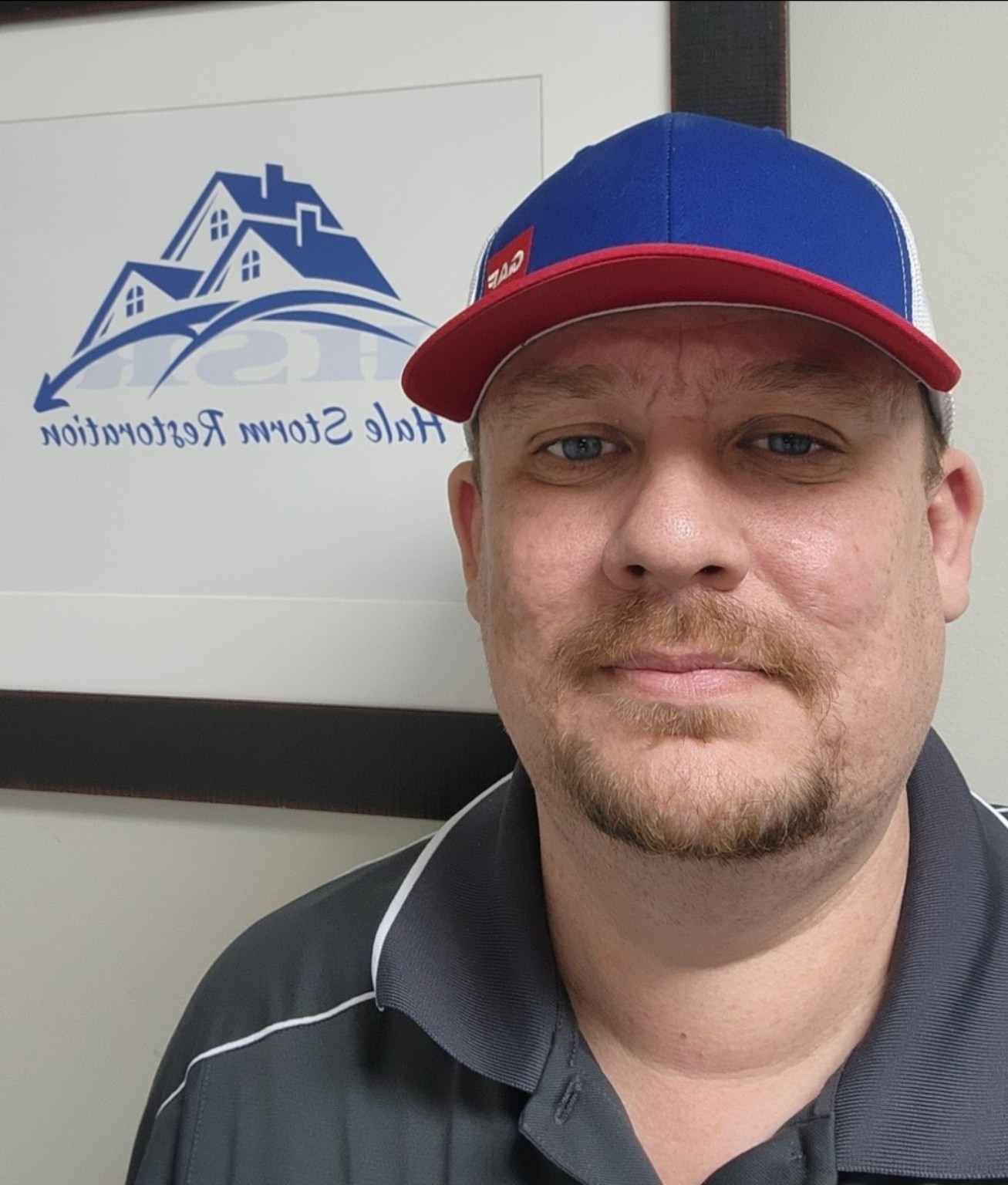
Before building DMT Financial Solutions, I worked inside a roofing company across sales, project and crew management, bids, budgets, bookkeeping, and financial operations.
That experience matters because roofing profitability is not created in QuickBooks. It is created job by job—in estimating, labor, materials, supplements, purchasing, collections, and the decisions made in the field.
My job today is to connect those operational realities to the financial numbers so owners can see what is working, what is leaking margin, and where better decisions can improve results.
In the trades, owners naturally focus on generating work and getting the work done. Financial management can become the underdeveloped third leg of the business—until poor job costing, pricing, cash flow, or overhead begins to show up in painful ways.
Know what work actually made after materials, labor, subs, commissions, and direct job costs.
See cash pressure earlier and build a clearer plan around receivables, reserves, debt, and working capital.
Model hiring, crews, equipment, pricing, financing, and expansion before committing cash.
The six-week engagement is designed to establish the financial baseline, identify priority opportunities, improve visibility, and install a practical financial management system for the owner.
Establish the financial baseline, review job costs and margins, and identify where money may be slipping through the cracks.
Improve profitability and cash-flow visibility, including pricing, job economics, collections, overhead, and working capital.
Use forecasting, KPIs, guardrails, and a 90-day roadmap to support better decisions and sustainable growth.
The owner is usually in the mess because there was not enough time or financial capacity to manage all of this in the first place. Ongoing advisory helps keep forecasts current, monitor KPIs, interpret results, and turn the financial system into recurring decisions and accountability.
The goal is not a binder on a shelf. It is a business owner who understands the numbers and has a system for acting on them.